

Why Towing Stresses Your Transmission More Than Regular Driving
How Towing Heavy Loads Impacts Your Vehicle Transmission
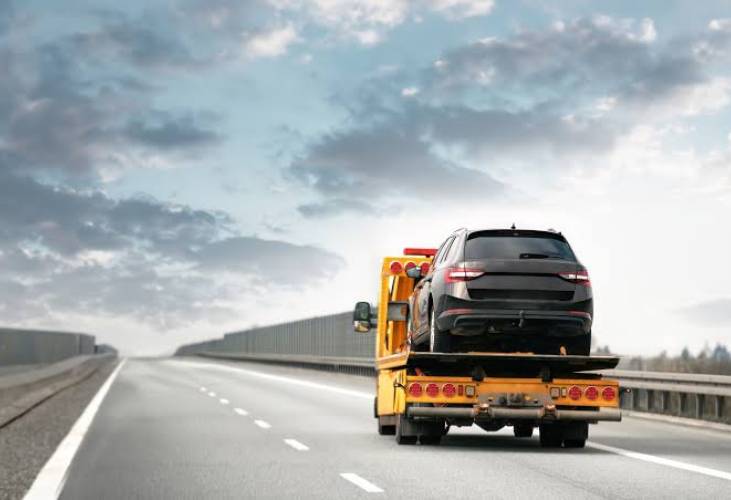
Towing heavy loads stresses your vehicle transmission by creating extra resistance, generating extreme operating heat, and forcing frequent gear shifts during stop-and-go traffic or hill climbing. Drivers should monitor fluid condition, observe manufacturer towing limits, and schedule routine transmission maintenance to prevent severe drivetrain damage.
Towing is excellent for moving boats, campers, trailers, equipment, and heavy loads. However, the additional weight can heavily impact the performance
Towing is excellent for moving boats, campers, trailers, equipment, and heavy loads. However, the additional weight can heavily impact the performance of your vehicle, particularly the transmission. Your car might be fine for your daily commute, but it is working a lot harder doing the towing thing, especially if traffic is stop and go, there are steep grades, or you're traveling all sorts of miles. By understanding what towing can do to your transmission, you'll be equipped to look for signs of potential problems, avoid excessive wear and tear on your vehicle, and hit the road with smarter plans. For drivers from Columbus, Ohio, knowing how to prep a vehicle before towing can result in all the difference in dependability of a vehicle.
1. Extra Weight Means More Work for Your Transmission
Your transmission must work through additional resistance to get power to your car when your car is towing a trailer or carrying a heavy load. This can cause your vehicle to work harder to accelerate, maintain your speed, and climb hills. More work means more shifting, particularly in traffic or on rough roads. The transmission may also be in use more often as a difficult condition takes longer to work through than a normal commute. The new transmissions are an important part of vehicles that tow a heavy load, and it's more important than ever to understand the towing capacity of the vehicle and to stay at or below the manufacturer's recommended limits on weight.
2. Heat Is One of the Biggest Challenges
Transmission heat is one of the biggest problems of towing. Extra work like hill climbing or towing in warmer temperatures will raise operating temps. Transmission fluid is vital to controlling the heat as well as lubricating internal components. Extreme heat can lead to an accelerated breakdown of the fluid and question whether it is able to provide adequate protection. Long days of excessive heat will break down the fluid to make it ineffective, leading to not only early wear, but also some severe transmission problems.
3. Stop-and-Go Traffic Can Make Towing More Difficult
Maintaining a constant speed on the highway is a different COS than towing heavy in city traffic. The constant up and down shifting, accelerating, and stopping can add additional stress to the transmission. This is a common situation for Columbus trailer drivers on busy roads. Towing something through stop-and-go traffic doesn't take much of a toll when you're able to sit at a light and a tow, to boot, but it can be stressful and sweltering to creep along in crawls with a load in tow, having to accelerate from a stop and vomit all that weight again and again. You can avoid this extra tow strain by driving slow with plenty of stop room available and accelerating only when necessary.
4. Hills and Inclines Require Careful Driving
Driving uphill while towing requires additional power. Depending on the vehicle and road conditions, the transmission may shift into lower gears to maintain momentum and manage the load. Repeatedly forcing the vehicle to accelerate on steep inclines can increase transmission strain. Towing, hill driving, and the appropriate use of lower-than-normal operating gear or towing modes should be your guides, so follow your manufacturer's recommendations.
5. Warning Signs You Should Never Ignore
If you are overworking your transmission or there are problems within the transmission, you will feel something. If you are towing with your car, heed these warnings.
Be on the lookout for:
Delayed Gear Changes
Rpms That Slip Or Change Suddenly
Jerking Or Shaking
Burning Odor
Transmission Warning Lights
Strange Noises While Accelerating
Not Being Able To Operate The Vehicle As You Should
If you notice these symptoms while towing, pull over to a safe area and refer to your owner's manual. These could increase any damage already done if you suspect you might have a transmission problem while on the road.
6. Prepare Your Vehicle Before Your Next Towing Trip
Make sure to service all important components on your vehicle, such as the transmission fluid, cooling system, tires, brakes, and the vehicle's recommended towing capacity, before towing. This is particularly the case if your vehicle must regularly tow or haul heavy loads.
▶Semantic Keynotes & Named Entity Recognition (NER) Tags
Semantic Keynotes
Core Conceptual Focus & Intent: The primary intent is informational and educational, targeting drivers seeking to understand how towing heavy loads impacts vehicle transmission health, performance, and longevity.
Informational Value: Explains the mechanics of transmission stress during towing—specifically focusing on weight resistance, heat generation, stop-and-go city traffic, and hill climbing—while outlining actionable warning signs.
Localized Context: Integrates localized GEO relevance for Columbus, Ohio drivers, highlighting regional driving conditions like stop-and-go traffic and trailer preparation.
GEO & AEO Optimization Strategy: Directs search engines and generative models to extract causes of transmission strain, symptoms of failure, and vehicle prep checklists as direct factual answers.
NER Tags
ORGANIZATION & BRANDS: Adams Columbus Transmission
PERSON: Author: Mr. adam.hughes
PRODUCTS, SERVICES & SOLUTIONS:
Transmission
Cooling system
Tires
Brakes
Towing capacity
TECHNICAL SPECIFICATIONS & CODE ENTITIES:
Transmission fluid
Rpms
Lower-than-normal operating gear
Towing modes
Transmission warning lights
STRATEGIC & FUNCTIONAL CONCEPTS:
Towing
Weight
Stop-and-go traffic
Steep grades
Heat
Hill climbing
Delayed gear changes
Burning odor
Strange noises while accelerating
Manufacturer's recommended limits
INFRASTRUCTURE & SECURITY ENTITIES:
Highway
City traffic
Roads
Trailer
CONTACT, CHANNELS & GEOGRAPHIC DATA:
Columbus, Ohio
Columbus trailer drivers